How to Organize a Junk Drawer (and Keep It That Way)
Last updated: 2026-08-12 · 5 min read
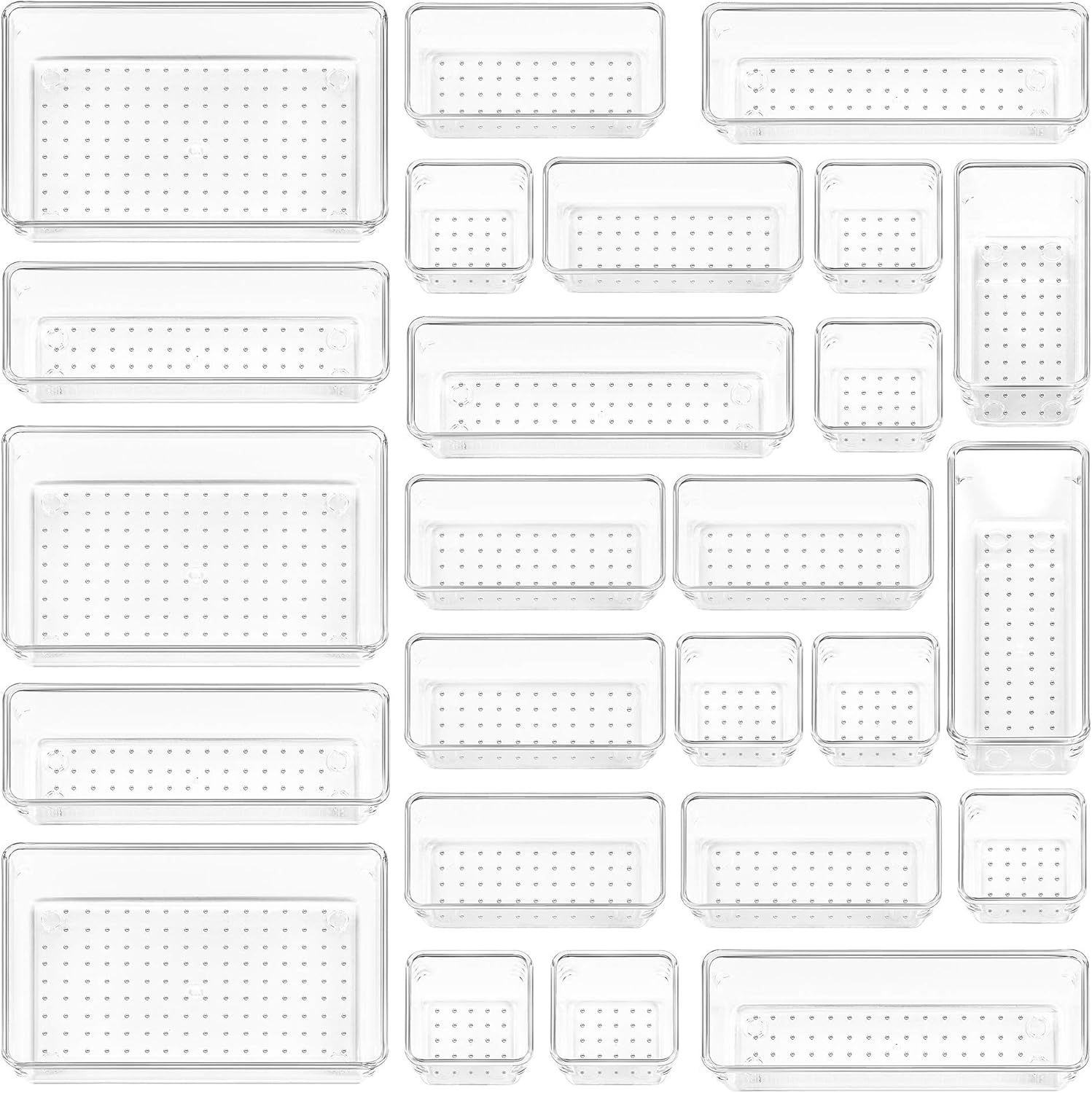
Every home has one. The drawer that starts as a temporary holding spot for a random battery, a takeout menu, and a mystery key, and then quietly becomes a black hole that swallows tape, coins, expired coupons, and at least three pens that definitely do not work. I know this drawer well. I have made my peace with the fact that a junk drawer will always exist. What I refuse to accept is one with no system whatsoever. Here is how to fix it once, set it up so it stays fixed, and never again spend four minutes digging for a thumbtack.
Empty It Out Completely (Yes, All of It)
Pull everything out and put it on a flat surface. Do not try to organize around whatever is already in there. You need to see the full scope of what you are dealing with before you make any decisions about what stays.
While the drawer is empty, wipe it down. If the liner is grimy or peeling, replace it now. A clean slate matters more than it sounds. It changes how seriously you take the system you are about to build.
Sort Into Categories Before You Touch a Single Organizer
Group like with like on your counter. Common junk drawer categories include: batteries, tools (small ones like a screwdriver, a level, pliers), writing supplies, tape and adhesives, cords and chargers, takeout menus or paper odds and ends, and miscellaneous hardware like screws and hooks.
Now look honestly at each pile. Toss anything broken, dried out, or unidentifiable. Check the batteries with a tester or just replace anything older than two years. Relocate anything that belongs somewhere else, a pen belongs in the junk drawer, a full stapler probably does not.
This step usually cuts the drawer contents by a third. That space is the reason your future system will actually work.
Measure the Drawer, Then Pick Your Dividers
Before you buy anything, measure the interior dimensions of your drawer: length, width, and depth. Write them down. This is the step most people skip and then regret at the checkout line.
For most standard kitchen junk drawers, which tend to run between 18 and 24 inches wide and 18 inches deep, a modular clear plastic set gives you the most flexibility. The Clear Plastic Drawer Organizers come in a 25-piece set with multiple bin sizes, so you can configure exactly what your categories need rather than forcing your stuff into a fixed tray.
If your drawer is on the shallower side or you prefer a warmer look, the Bamboo Expandable Drawer Organizer Bamboo Expandable Drawer Organizer adjusts to fit the drawer width and holds its position without sliding, which matters more than you would think.
Assign a Zone to Every Category
Sketch a rough layout before you place anything. Put the things you reach for most often at the front of the drawer, closest to you when it opens. Batteries, a pen, a small flashlight, tape. Things you need less frequently go toward the back.
Keep like items in a single bin. Do not split your batteries between two compartments because the sizes are different. One bin, sorted by type if you want, but always one bin. The moment a category has two homes, the system starts to collapse.
For cords and chargers, a dedicated bin prevents the tangle that makes every junk drawer feel chaotic. If your drawer is deep enough, a small cable management box drops right in and keeps everything contained. The Cable Management Box Cable Management Box works well here if you have a cord situation that has gotten genuinely out of hand.
Label Everything (This Is Not Optional)
I will be brief here because I know not everyone shares my feelings about label makers, but I will say this: labels are not about distrust. They are about speed. When you are in a hurry and you open a drawer, a label means you grab the right bin on the first try. That is it. That is the whole argument.
Label each bin or zone, even if it seems obvious. Especially if it seems obvious. Obvious now does not mean obvious at 7am when you are looking for scissors.
Tackle the Paper and Hardware Problem Separately
Two categories that tend to derail junk drawer systems: loose paper and loose hardware.
For paper, the junk drawer is not a filing system. Takeout menus can live there if you actually use them, but coupons, receipts, and anything that needs a decision should leave the drawer entirely. If you tend to collect small instruction booklets or warranty cards, a single small folder clipped shut and stored upright in the back of the drawer is a much better solution than a loose pile. The Amazon Basics File Folders (100-Pack) File Folders are inexpensive enough to cut down to size if needed.
For hardware, a small divided bin is ideal. My fiance has a strong opinion that random screws and hooks should not live in a drawer at all, and honestly they are not wrong, but the compromise we landed on is one bin, one layer deep, nothing stacked. It works.
Build the Habit That Keeps It Working
The drawer will only stay organized if you do two things consistently. First, return items to their correct bin after every use. This takes about three seconds and is the entire system. Second, do a five-minute reset every couple of months. Pull everything out, wipe the bins, and toss what has accumulated that does not belong.
The reset is much easier when the bins are clear, because you can see at a glance what has drifted in from elsewhere. That visibility is why clear organizers are worth it over opaque ones, even if opaque might look cleaner from the outside.
If your drawer has started collecting things that genuinely need a permanent home elsewhere, that is a signal to address storage in those other areas rather than let the junk drawer absorb the overflow indefinitely.
The takeaway: A junk drawer is not a failure of organization. It is a legitimate category of storage, and it works fine with the right structure. Empty it, sort it, measure it, zone it, label it. The whole project takes about an hour and the system runs itself after that. The only real work is the reset every few months, and by then it will take ten minutes, not an afternoon.
Everything mentioned in this guide
Clear Plastic Drawer Organizers (25-Piece Set)
View product →
Bamboo Expandable Drawer Organizer
View product →
Cable Management Box
View product →
Amazon Basics File Folders (100-Pack)
View product →
Clear Drawer Organizer Set (25-Piece)
View product →